 Tropical Weight 100% Cashmere Bold Brown & Navy Plaid Sport Coat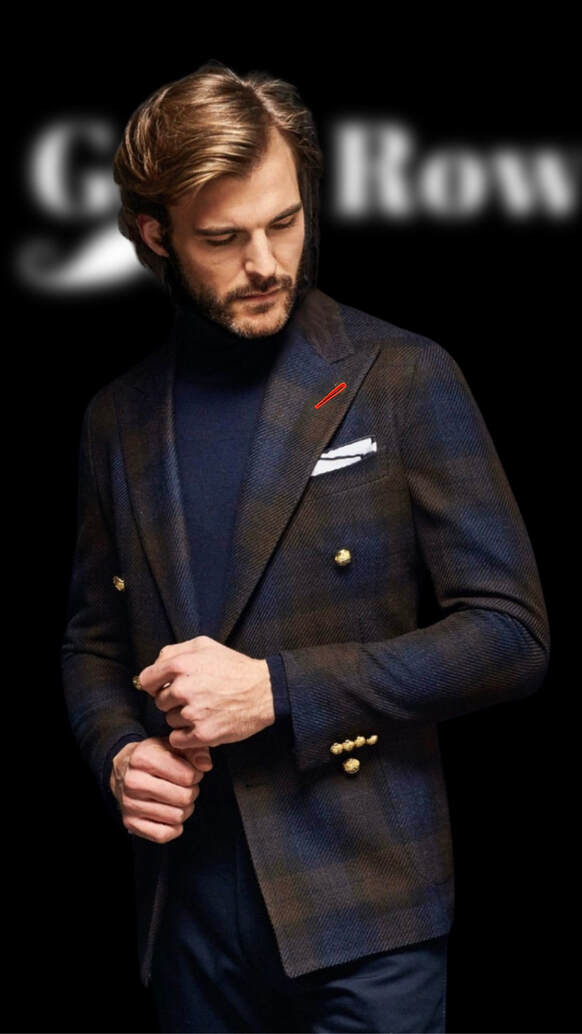 Introducing the Gent Row Tropical Weight 100% Cashmere Sport Coat. Crafted for the discerning gentleman who appreciates impeccable style and fine craftsmanship, this sport coat is a true standout piece in any wardrobe. Made from the finest 100% cashmere, this sport coat exudes elegance and comfort, perfect for both formal events and upscale casual outings. The striking navy blue and brown plaid check pattern adds a touch of boldness and personality to your ensemble, making a statement wherever you go. Designed with meticulous attention to detail, this sport coat features a squared-off bottom reminiscent of a double-breasted coat, giving it a unique and modern twist. The peak lapels exude a sense of refinement and sophistication, while the signature gold blazer buttons add a touch of luxury and exclusivity to the piece. Handcrafted with precision and care by Gent Row's skilled artisans, this sport coat is a true testament to quality and excellence. Elevate your style game with this timeless and versatile piece that is bound to turn heads and make you stand out from the crowd. Experience luxury like never before with the Gent Row Tropical Weight 100% Cashmere Sport Coat. 
0 Comments
Tropical Weight Shirt-Weight Unstructured Sport Coat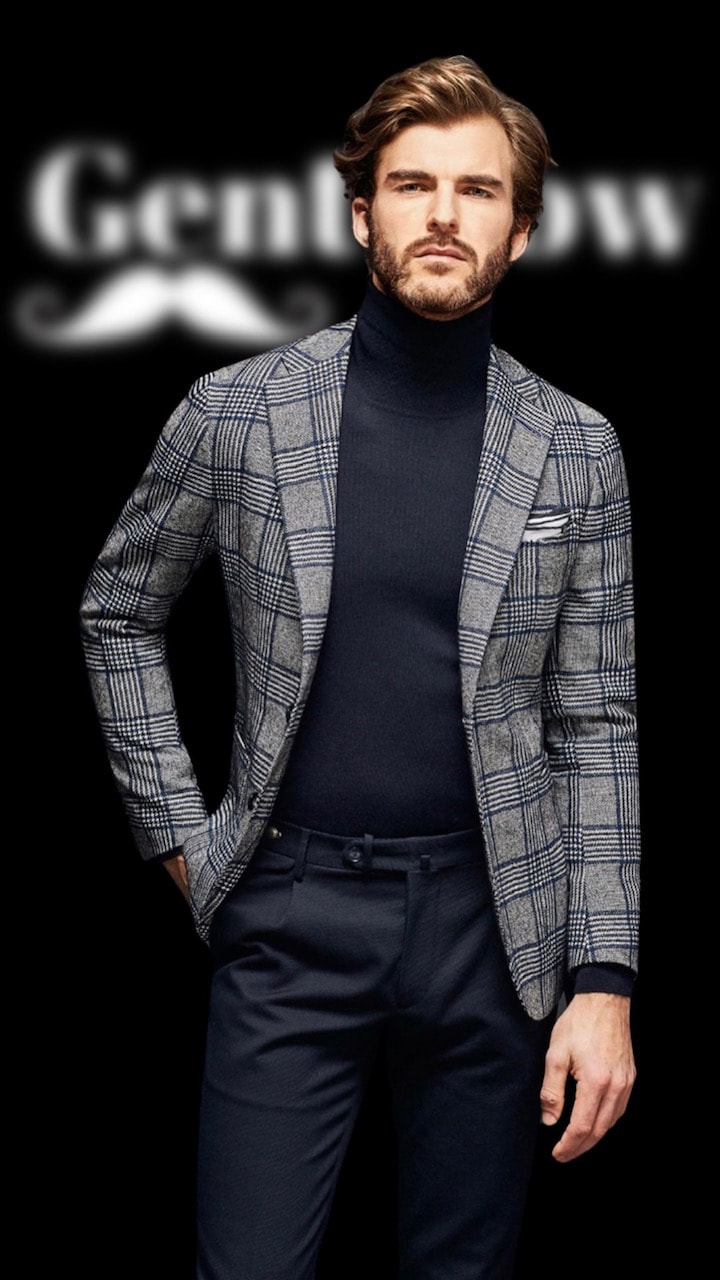 Indulge in the epitome of refined sophistication with the Gent Row Luxury Unlined Light Grey Sport Coat. Meticulously crafted with a discerning eye for detail, this exquisite garment exudes effortless charm and timeless style. Featuring a striking navy blue Glen plaid check pattern against a light grey backdrop, this sport coat effortlessly blends classic design with contemporary flair. The luxurious wool and silk blend fabric not only offers a sumptuously soft feel but also enhances the overall drape and structure of the garment. Unlined for a lightweight and breathable feel, this sport coat is designed to be worn with casual elegance in mind. Whether you're attending a relaxed social gathering or a stylish evening event, this versatile piece effortlessly elevates any ensemble. Each garment is meticulously handcrafted by the skilled artisans at Gent Row, ensuring unparalleled quality and attention to detail. Elevate your wardrobe with the Gent Row Luxury Unlined Light Grey Sport Coat and make a statement of refined sophistication wherever you go. Shop The Look :Wool & Silk blend unlined sport coat in Beige with a Bold Navy Blue Check Pattern2/27/2024 New WOOL & SILK BLEND UNLINED SPORT COAT IN BEIGE WITH A BOLD NAVY BLUE CHECK PATTERN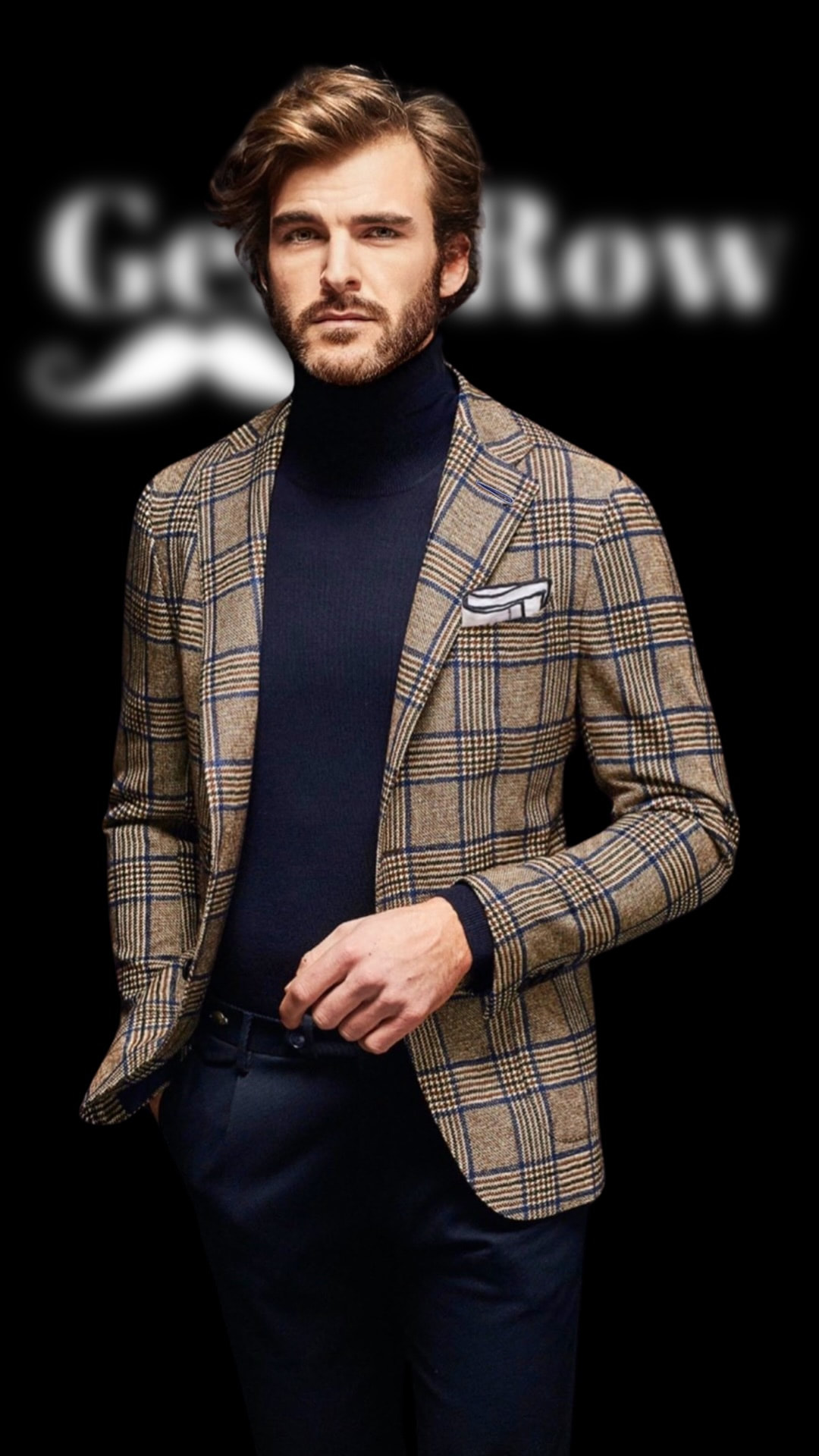 Indulge in the epitome of refined sophistication with the Gent Row Luxury Unlined Beige Sport Coat. Meticulously crafted with the utmost attention to detail, this exquisite sport coat exudes a sense of effortless elegance that is sure to elevate your wardrobe.
Featuring a bold navy blue Glen plaid check pattern, this sport coat strikes the perfect balance between classic style and modern sophistication. The luxurious wool and silk blend fabric offers a sumptuously smooth feel and a subtle sheen that exudes opulence. Handmade with precision by the skilled artisans at Gent Row, this sport coat is a true testament to expert craftsmanship and timeless style. Whether you're attending a casual soirée or a sophisticated event, this sport coat is designed to make a statement and leave a lasting impression. Embrace casual elegance with the Gent Row Luxury Unlined Beige Sport Coat and experience the unparalleled luxury and sophistication that only Gent Row can provide. Elevate your look and stand out from the crowd with this exquisite piece that effortlessly combines style and comfort.  Get Measured today to shop our design team's most exclusive looks made with the world's best fabric selections & hand-tailoring NEW 7 Micron Cashmere Sweater Coat with Bemberg Silk Lined Sleeves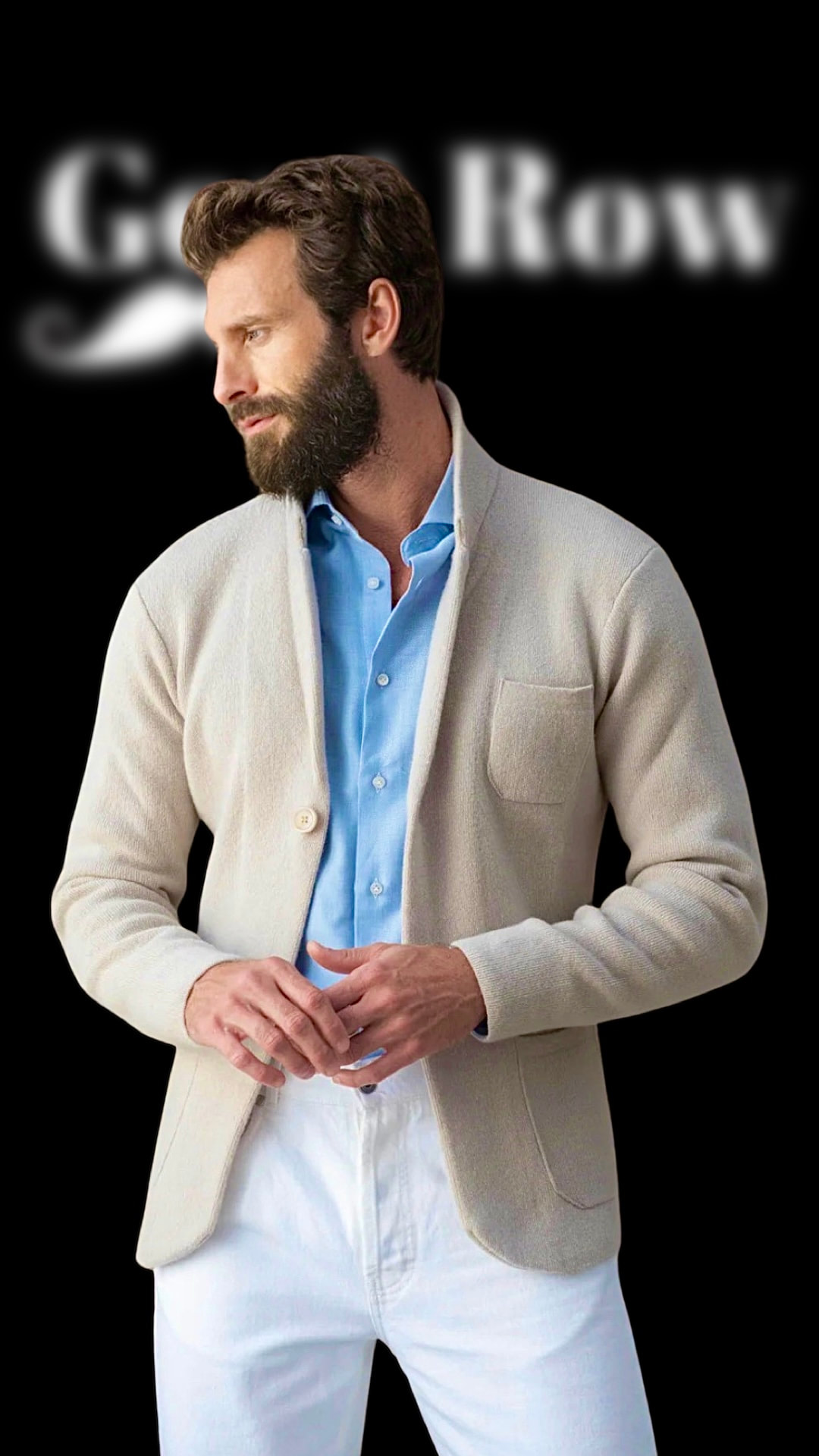 Introducing the epitome of luxury and sophistication in men's fashion - the Gent Row 100% 7 micron cashmere sport coat. Meticulously handcrafted with unparalleled attention to detail, this exquisite piece redefines elegance and comfort. Crafted from the finest 7 micron cashmere, this sport coat boasts an unrivaled level of softness and warmth that only the highest quality materials can provide. The feather-light feel of the cashmere fabric elevates the wearing experience to a whole new level, making it as comfortable as your favorite sweater. 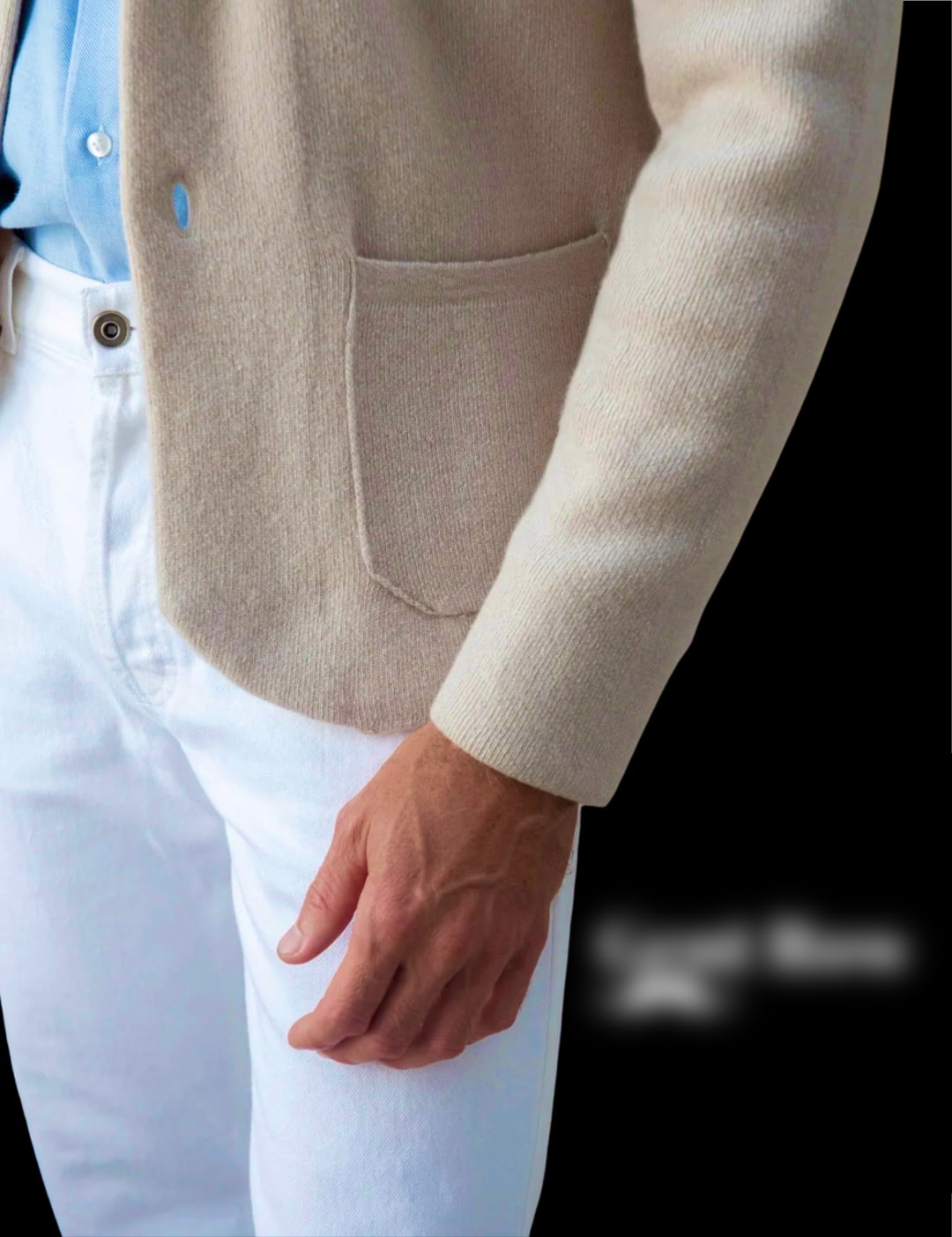 Designed to exude refinement in every stitch, this sport coat features Bemberg Silk lined sleeves that glide smoothly over your arms, providing a luxurious touch that sets it apart from the rest. The completely unlined construction adds a modern twist to the traditional sport coat, giving it a contemporary edge. Whether you're attending a formal event or looking to elevate your everyday style, the Gent Row 100% 7 micron cashmere sport coat is the epitome of timeless elegance. Make a statement with this handcrafted masterpiece that embodies the perfect blend of luxury, craftsmanship, and sophistication. 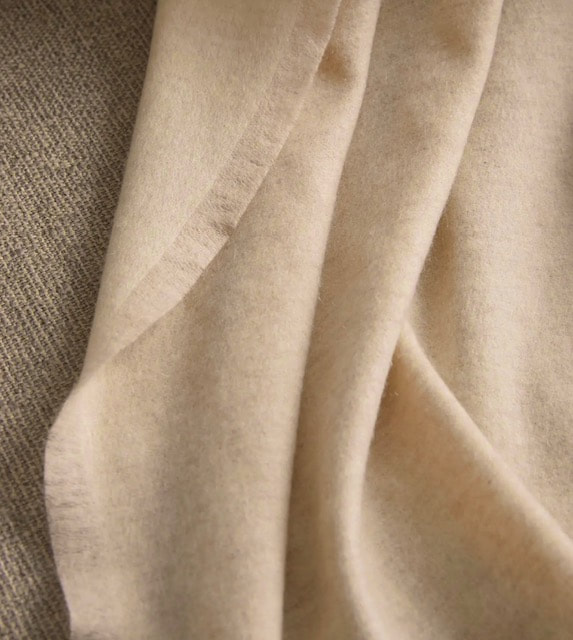 Schedule your private appointment today by clicking above or reaching out to your dedicated regional Master Tailor or emailing us at concierge@gentrow.com Product Review: Gent Row Luxury Men's 100% 7 Micron Cashmere Sport Coat
I recently had the pleasure of experiencing the luxury of the Gent Row Men's 100% 7 Micron Cashmere Sport Coat, and I must say, it truly exceeded all of my expectations. This exquisite piece of craftsmanship is a true masterpiece in the world of men's fashion. First and foremost, the material used in this sport coat is simply unparalleled. Made from 100% 7 micron cashmere, the fabric is incredibly soft, delicate, and luxurious to the touch. It feels like a gentle caress against the skin, providing a level of comfort and sophistication that is unmatched by any other material. The 7 micron cashmere is of the highest quality, offering both warmth and breathability, making it a versatile and practical choice for any season. One of the most remarkable features of this sport coat is its feather-light construction. Unlike traditional lined sport coats, this piece is completely unlined, making it as comfortable to wear as a sweater. The absence of lining not only adds to the lightweight feel of the coat but also allows for a greater range of movement and flexibility, making it perfect for both formal and casual occasions. The attention to detail and craftsmanship that goes into each Gent Row sport coat is truly exceptional. Every stitch is carefully placed, every seam meticulously finished, resulting in a garment that is not only beautiful to look at but also built to last. The Bemberg Silk lined sleeves add a touch of elegance and refinement, complementing the luxurious cashmere fabric perfectly. Overall, I cannot recommend the Gent Row Men's 100% 7 Micron Cashmere Sport Coat highly enough. It is a timeless piece that exudes sophistication and class, perfect for the modern gentleman who values both style and comfort. Handmade with care and precision, this sport coat is a true investment piece that will undoubtedly become a staple in any man's wardrobe for years to come.
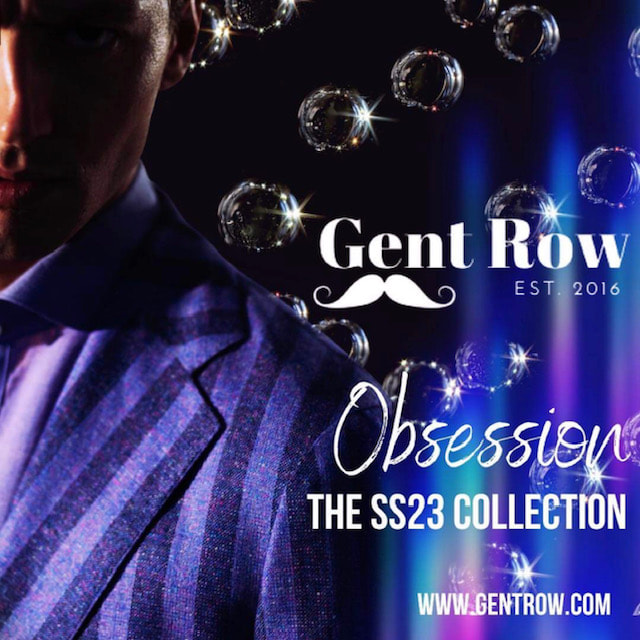 The Gent Row Spring/Summer 2023 collection, aptly named "Obsession," is a celebration of the brand's unwavering dedication to excellence. Just like an obsession, the designers at Gent Row have poured their hearts and souls into every piece of this collection, leaving no detail untouched. The collection features a range of luxurious suits, sport coats, and shirts & shoes all crafted from the finest fabrics and tailored to perfection. Each piece is designed to evoke a sense of passion and intensity, reflecting the obsessive dedication of the Gent Row team to their craft. 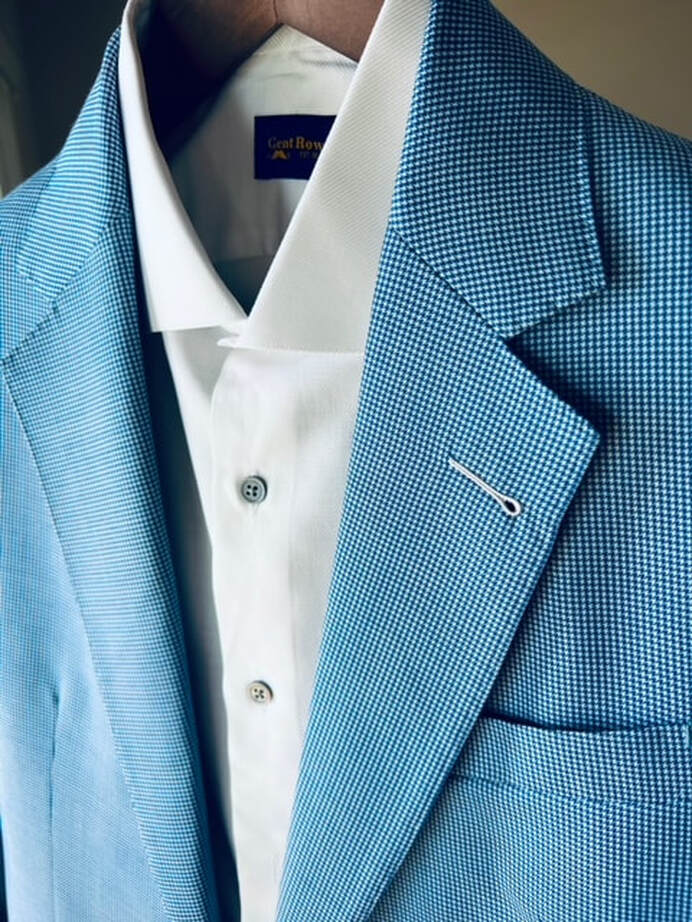 The suits in the "Obsession" collection boast clean lines and impeccable tailoring, with a range of classic and modern styles to choose from. The sport coats are equally impressive, featuring bold patterns and textures that demand attention.
For more casual occasions, the collection also includes a range of resort wear that exudes effortless sophistication. From linen shirts to lightweight trousers, each piece is designed to make a statement while still maintaining a relaxed, laid-back vibe. Overall, the "Obsession" collection from Gent Row is a testament to our unwavering commitment to excellence. Whether you're looking for a show-stopping suit or a more casual piece for your next vacation, this collection has something for everyone. With a focus on quality, craftsmanship, and attention to detail, and the goal of having every #gentworthy client as the man who outwardly embodies the qualities excellence that our clothing executes.  Wearing a well-tailored suit can evoke a range of emotions and feelings for men. From confidence and power to sophistication and elegance, a suit can transform the way a man feels about himself and how he is perceived by others. The right fit, fabric, and style can make all the difference in how a man carries himself and presents himself to the world. A well-tailored suit is not just a piece of clothing, but a symbol of professionalism, success, and refinement. When a man puts on a suit that fits him perfectly, he feels like he can conquer the world and exudes an air of self-assurance and poise.
Today, since January 2022, The Gent Row Foundation has just over 1000 young boys in their suits so they can feel and experience the same benefits. Throughout history, many young boys have been exposed to various forms of trauma. Traumatic experiences can have lasting effects on a person's mental health and well-being. However, recent studies have shown that wearing tailored suits and clothing can have psychological benefits for young boys who have experience trauma. Short History of Trauma: Traumatic experiences have been a part of human history for as long as we can remember. From wars and natural disasters to abuse and neglect, people have had to endure a variety of traumatic events. These experiences can have a profound impact on a person's mental and physical health, leading to conditions such as post-traumatic stress disorder (PTSD), anxiety, and depression. Psychological Benefits of Tailored Clothing: Studies have shown that wearing well-fitted and tailored clothing can have positive psychological effects on individuals. In particular, young boys who have experienced trauma may benefit from wearing tailored suits and clothing. A study published in the Journal of Experimental Social Psychology found that wearing formal clothing, such as a suit, can lead to increased feelings of power, confidence, and competence in both men and women. In addition, wearing tailored clothing can also boost self-esteem and improve body image. This is especially important for young boys who may have experienced trauma that has negatively impacted their self-esteem and body image. Tailored clothing can also improve how others perceive the wearer. A well-dressed individual is often seen as more competent, trustworthy, and successful. This can be particularly helpful for young boys who may feel stigmatized or judged because of their traumatic experiences. In Conclusion: While traumatic experiences can have lasting effects on a person's mental health, wearing tailored suits and clothing can have psychological benefits for young boys who have experienced trauma. Tailored clothing can boost confidence, self-esteem, and body image, while also improving how others perceive the wearer. By understanding and utilizing the power of tailored clothing, we can provide young boys with a tool to help them overcome the negative effects of trauma. Today The Gent Row Foundation plans to enroll another 10,000 young men in their Tailored Core Mentorship and fine tailored suits over the next two years for our their #tailoringpositivechange initiative. To learn more about our initiatives and find out how you can be involved, please email foundation@GentRow.com . References: 1. American Psychiatric Association. (2013). Diagnostic and Statistical Manual of Mental Disorders, 5th Edition. 2. Slepian, M. L., Ferber, S. N., Gold, J. M., & Rutchick, A. M. (2015). The cognitive consequences of formal clothing. Journal of Experimental Social Psychology, 56, 60-65. 3. Hajo, A., & Galinsky, A. D. (2012). A social-psychological perspective on power and behavior in organizations. In G. P. Hodgkinson & J. K. Ford (Eds.), International Review of Industrial and Organizational Psychology (Vol. 27, pp. 1-40). John Wiley & Sons. 4. Cho, E., & Lee, J. (2018). Effects of clothing fit on self-esteem and body image. Fashion and Textiles, 5(1), 1-13. 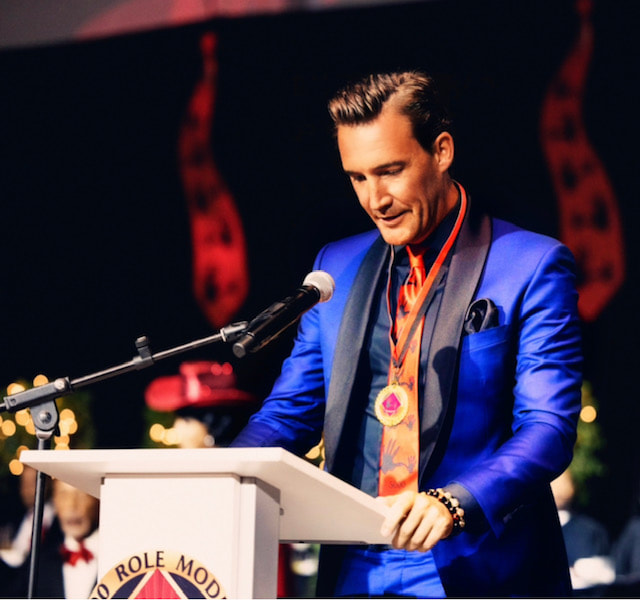 Gent Row CEO & FOUNDER Tim Beasley Clothing has always been an essential part of our lives, and it plays a significant role in how we present ourselves to the world. For men, clothing is not just about covering up, but also a means of expressing their masculinity. The way a man dresses can have a profound impact on how he is perceived by others, and it can even affect his self-confidence and sense of identity. In today's world, where first impressions matter more than ever and idea of identity is being swindled by trending mass producing designers; it's essential for men to choose clothing that fits them well and reflects their personal style and manhood. Our tailored clothing designs are a practical and stylish way for men to go against current trends and showcase their masculinity while maintaining a forefront sartorial fashion sense , and in this article, we'll explore one of the important aspects of tailored clothing to exemplify and express masculinity in men. Our tailored clothing designs are a practical and stylish way for men to go against current trends and showcase their masculinity.. The Jacket Lapel Size The size of jacket lapels has been a significant indicator of femininity and masculinity in the fashion industry for decades. Lapels are the folded flaps of cloth on the front of a jacket that form the collar and provide a visual statement about the garment's style and level of formality. The width of jacket lapels has varied over time, with wider lapels typically associated with masculinity and narrower lapels with femininity. Historically, men's fashion has often featured wide lapels. In the 1930s and 1940s, for example, men's suits typically had wide lapels that added a bold and assertive look to the garment. This was the era of the "power suit," and the wide lapel was seen as a symbol of strength and dominance. In contrast, women's fashion during this period featured narrow lapels, which emphasized a more delicate and refined look. 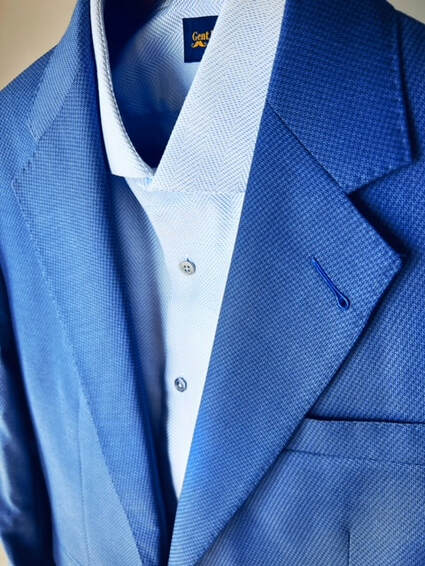 A Signature Gent Row lapel width exuding masculine confidence with hand finished precision by design. However, during the 1950s and 1960s, women's fashion began to adopt wider lapels, which were associated with the emergence of the "androgynous" look. This was a time when women were beginning to challenge traditional gender roles, and wider lapels helped to create a more masculine look that was seen as empowering and liberating. In the 1970s, lapel widths continued to fluctuate, with both men's and women's fashion featuring a range of widths. However, by the 1980s, men's fashion had once again adopted wider lapels, which were seen as a symbol of power and success. This trend continued into the 1990s, with the popularity of the "oversized" look, which featured exaggerated lapels that emphasized a bold and confident look. In recent years, lapel widths have become more standardized, with men's fashion typically featuring wider lapels and women's fashion featuring narrower lapels. However, today there are mass producing designers and fashion houses that challenge these norms, creating garments that blur the lines between masculinity and femininity which can present a problem for men in leadership positions. Overall, the size of jacket lapels has played a significant role in determining the level of femininity or masculinity associated with a garment. While wider lapels are generally associated with masculinity and narrower lapels with femininity, Gent Row’s signature line use lapel widths to challenge today’s gender roles and create garments that are both empowering and liberating for the #gentworthy man. In conclusion, self-expression and confidence are crucial components of masculinity, and one of the most effective ways to achieve them is through our bespoke clothing service. The way we dress not only affects our appearance but also influences our mindset and behavior. Investing in well-fitted and stylish clothing that reflects our personality can make us feel powerful, confident, and ready to take on the world. Furthermore, by embracing our unique style, we can differentiate ourselves from the crowd and command attention and respect. So, whether it's a sharp suit or a casual outfit, choosing clothing that represents our true selves can help us feel more comfortable in our own skin and project an image of strength and confidence to those around us. Ultimately, self-expressed masculinity and confidence through tailored clothing is an essential aspect of our identity and can have a significant impact on our personal and professional lives. 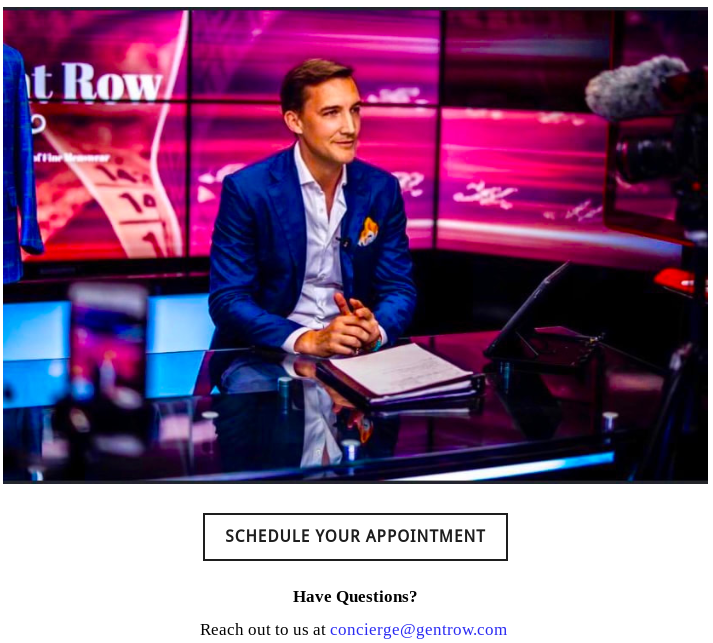 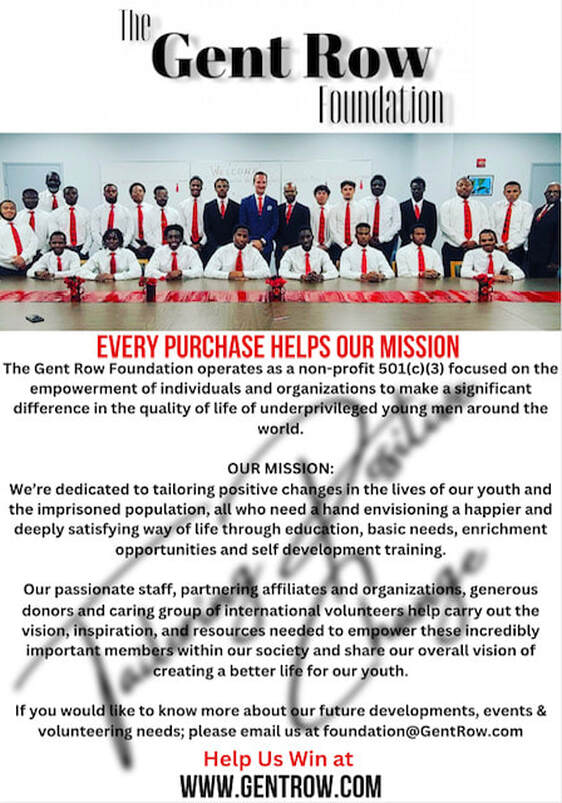 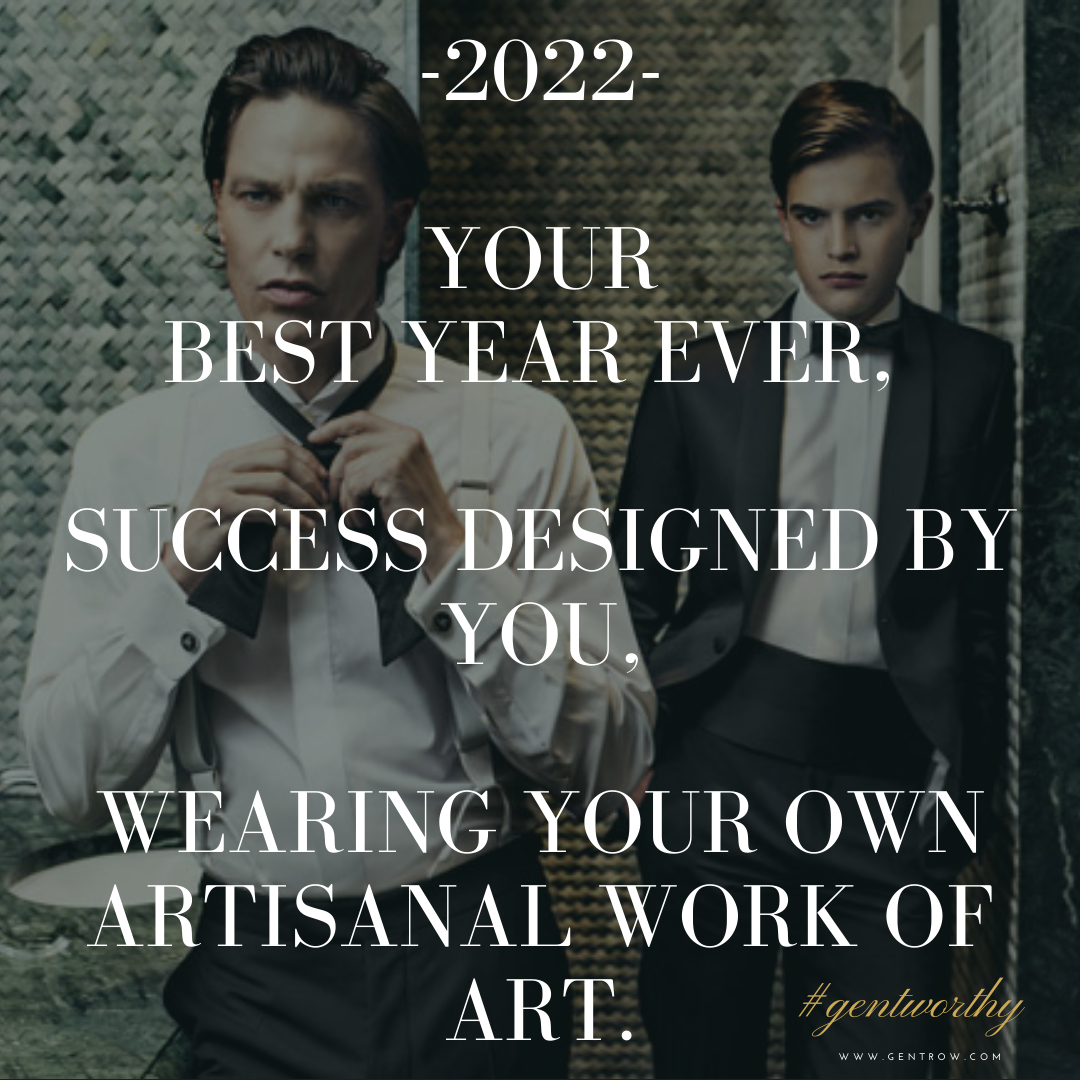 Content Collaborated by By Harvey James and Aaron Toumazou Once a black tie invitation has been received, it’s not unusual for panicked questions to spring to mind once the initial excitement has faded. Do I need a cummerbund? What kind of socks should I wear? How do I wear my hair? What even is a cummerbund? Black tie events are all about following the rules, after all. But played right they are also prime opportunities for you to look the best you ever will. The combination of slim-cut black suit, box-fresh white shirt and perfectly tied bow tie is eternally chic and so simple that even the most style illiterate would struggle to get it wrong. The key, as with most things, is in the details, from the style of bow tie around your neck to the shine of the shoes on your feet. So take our (be-gloved) hand and let us guide you through your next black tie event, from the jolly RSVP to the bleary-eyed ride home. Black tie events are not always black & white; but you better show up to be seen. - Tim What is a black tie eventIn addition to denoting one of the few remaining formal dress codes, what it really implies is importance: awards ceremonies, a milestone birthday party, a grandiose wedding, a prestigious ball. Some of these events will be reflected on as among the greatest memories of your life. Which means there’s no cutting corners. 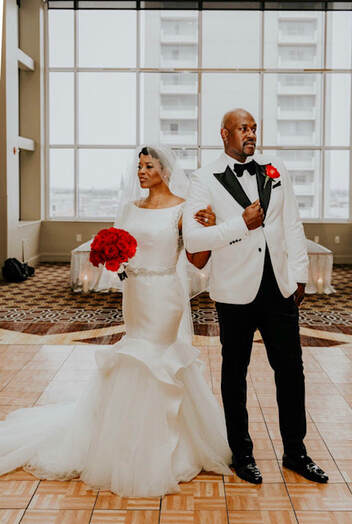 Beautifully Designed White Tuxedo Jacket for our Client's Wedding
|
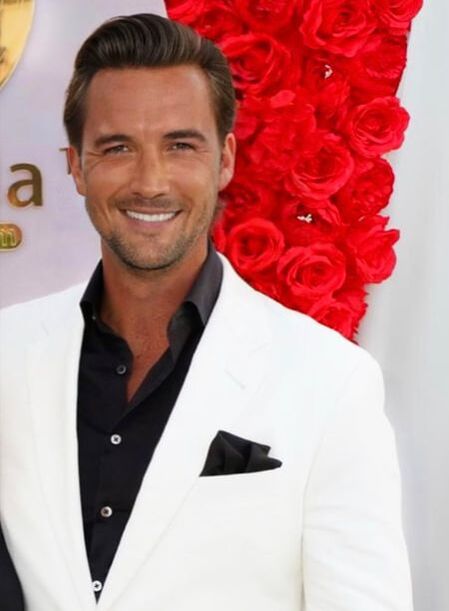
USA & World Wide Virtual / Private Tailoring Appointments
USA : FLA | NYC | DC | BAL | CLT | ATL | DTX | CBH - LA INTL : MILAN | DUBAI | LONDON | PARIS |
 RSS Feed